
Oct 19, 2026
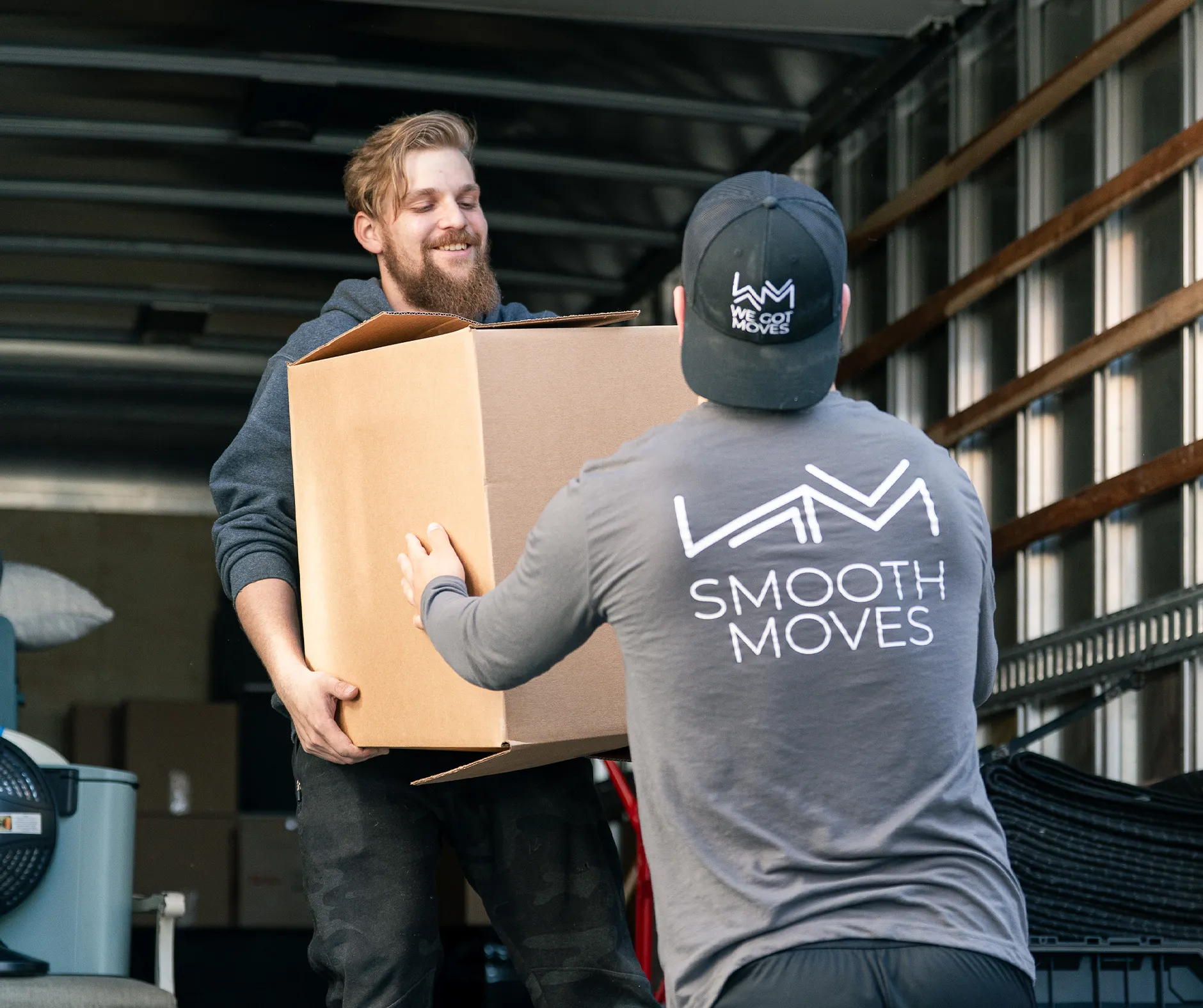
Most damage in a move happens to items that were packed too loosely, in the wrong box, or with no cushioning. This guide covers what to gather first, the rules that apply to everything, and how to pack dishes, glasses, TVs, mirrors, art, lamps and electronics.
The short version: cushion every item, fill every gap without overpacking, use small sturdy boxes, put heavy things on the bottom, and label the box fragile.

Wrap each plate in paper and stack a few, then stand them on edge in the box, not flat. Plates on edge survive bumps much better. Fill the gaps at the sides and top with crumpled paper.
Use cell dividers or wrap each glass, stuffing paper inside and around the stem. Pack them upright or on their sides, never stacked, and put the heaviest ones at the bottom.
Wrap each one, nest a few with paper between them, and fill the empty space. Wrap handles separately, since they're the first thing to snap.
Use the original box if you still have it. If not, buy a TV box. Never lay a flat screen down or put things on top of it. Wrap the screen in a blanket or foam and protect the corners.
Put painter's tape in an X across the glass to hold it together if it cracks, add corner protectors, wrap in paper and bubble wrap, and box it on its edge. Label the box so nobody lays it flat.
Take the shade and bulb off and pack them separately. Wrap the base and the cord together.
Photograph the cable setup before you unplug anything. Bag the cords with the device and label them. Use the original box or plenty of padding.
Remove glass shelves and tops, wrap them separately, and pad the corners.
Jewelry, important documents, medications and family heirlooms travel with you, not on the truck. Photograph heirlooms, china sets and artwork before you pack them. It's a helpful record if anything is damaged.
[Photo here: a mirror or frame with corner protectors. Caption: "Corner protectors and an X of painter's tape protect glass."]
Fragile items are the hardest part of a move to do well. Our crew can pack the delicate items for you or the whole house. See our packing and unpacking service, or add packing to a local or long-distance move. Planning the rest of your move? Use our moving day checklist.
You can, but the ink smudges onto dishes and glass, and you'll be washing everything when you unpack. Plain packing paper is cleaner and usually inexpensive. If you use newspaper, wrap each item in a clean sheet first and use the newsprint only as outer filler. Avoid it for anything porous, like unglazed pottery or white linens.
Aim for at least a couple of inches of cushioning around each item, and nothing should move when you gently shake the box. A good test is to pick up the closed box and tilt it. If you hear or feel anything shift, open it and add more filler. Also make sure the box isn't bulging, since too much pressure can crush what's inside.
Yes. Painter's tape in an X across the glass keeps the pieces together if it cracks and makes it easier to handle safely. Don't use masking tape or packing tape directly on the glass, since they can leave residue. After taping, add corner protectors, wrap the whole piece in paper and bubble wrap, and transport it upright.
Pack them in the middle of your timeline: start with off-season and non-essential items, then handle fragile pieces once you have all your supplies. Load them last onto the truck, and unload them first, so they sit on top and never carry weight. Keep boxes clearly marked so the crew knows where they go.
Photograph the damage, write it down before you sign off, and ask your mover how their claims process works. Keep any packaging and note which box the item was in. Report the problem right away, since claims are much easier to resolve when the details are fresh.
Request a free, no-obligation quote or call (407) 842-9895 and we'll take care of the fragile items.


All Rights Reserved © 2026 We Got Moves Florida - Designed by Gemibra Media